Showing posts with label Alzheimer's. Show all posts

Could eating too much junk food give you Alzheimer's?


'Alzheimer’s is one of the major medical problems of our age.
A ghastly disease that condemns millions to years of confusion and fear, it also threatens to bankrupt our health system — yet doctors don’t really know what causes it, or how to treat it effectively.
But could that be about to change?'

Read more...


>>>READ MORE

Nervous-System Damage From the Sky


'Chemtrails rain aluminum nanoparticles on man, beast, and land. “Chemtrails” is a spin-off from “contrails,” which are the condensation trails sometimes left behind flying aircraft. Some believe these contrails are chemical trails being deliberately sprayed from aircrafts for unknown reasons.

There is current concern in the United States about the increasing number of neurodegenerative patients. Since 2000, the number of Alzheimer’s patients has increased from 4.5 million to 5.4 million in 2012. One in eight people 65 or older have Alzheimer’s. A yearly increase seems inevitable because of the aging population, but environmental factors also play a role.'


Read more...
>>>READ MORE

Marijuana Cannabinoids Found to Help Combat Autism


'The cannabinoid compounds naturally found in many varieties of cannabis, also known more commonly as marijuana, may help children with autism spectrum disorders experience dramatic behavioral improvements, and potentially even full recovery from their symptoms. These are the findings of a new study published in the journal Nature Communications that help reinforce the growing body of evidence which shows that medicinal cannabinoids hold incredible potential in both treating and potentially curing chronic illness.'

Read more..


>>>READ MORE

Marijuana Compound Found Superior To Drugs For Alzheimer's

Marijuana May Be Far Superior To Drugs For Alzheimer's

Could the active ingredient in marijuana, responsible for its characteristic "high," help turn the tide against the accelerating Alzheimer's epidemic?

'A remarkable study published in the journal Molecular Pharmacology in 2006, found that this long vilified plant contains a compound with not one, but two therapeutic properties ideal for addressing both the surface symptom (memory problems) and root cause (brain plaque) of Alzheimer's disease.[i] This is an ironic finding, considering that the prevailing stereotype is that using marijuana "fries" the brain, leading to debilitating memory issues.'


Read more...


>>>READ MORE

Cinnamon beats Alzheimers


'The miracle spice cinnamon is the scented bark of a tropical evergreen tree, native to India and Sri Lanka. Cinnamon comes from an evergreen tree in Southeast Asia and is cultivated widely in Vietnam, China, Burma, and Laos for its bark and the oil processed from the bark. Once upon a time in ancient Rome, cinnamon was worth more than silver.

Cinnamon is harvested from the inner bark of the tree branches after scraping off the corky outer layer and then drying the bark. As it dries, the bark curls up into quills which are then cut into sticks to be ground into the spice form. Full of calcium and fiber, cinnamon is one of the oldest known spices, it is mentioned in the Bible and was used in ancient Egypt as medicine, beverage flavoring and an embalming agent.'


Read more...


>>>READ MORE

Astaxanthin: A Rising Star in Alzheimer's Prevention


By Dr. Mercola

'In the United States, someone develops Alzheimer's disease every 69 seconds, and by 2050 this is expected to increase to a new case every 33 seconds, according to the Alzheimer's Association's 2011 Alzheimer's Disease Facts and Figuresi.
The disease is currently at epidemic proportions, with 5.4 million Americans—including one in eight people aged 65 and over—living with Alzheimer's disease.
By 2050, this is expected to jump to 16 million, and in the next 20 years it is projected that Alzheimer's will affect one in four Americans. If that comes to pass, it would then be more prevalent than obesity and diabetes is today!'

Read more...


>>>READ MORE

Common Herb, Water Hyssop (Bacopa) Reverses Epilepsy, Treats and Prevents Other Brain Disorders

http://www.willowcreeksprings.net/files/Bacopa%202_2.jpg

'Bacopa monnieri is a lovely wild and garden plant that has recently been shown to completely reverse epilepsy in rats. Herbalists call it adaptogenic, meaning that it’s a plant with the ability to strengthen the immune system and help the body adapt to the environment. Therefore, it’s not surprising that it’s known to benefit many health problems

Bacopa m. is known in Ayurvedic medicine as a treatment for both epilepsy and asthma. It’s been shown to be beneficial in several conditions, including: Mental decline associated with aging, Mental impairment associated with oxidative stress, Alzheimer’s disease, Prevention of aluminum toxicity in the brain Inflammation, Tumors, Epilepsy, [and] Liver protection.

The best documented benefits center around brain neurology, and the positive effect on epilepsy is stunning—likely better than pharmaceutical drugs and without their adverse effects, as discussed later. In this time of severe degenerative brain diseases, it clearly has an important role to play in health, both in treatment and prevention of disorders.'


Read more...
>>>READ MORE

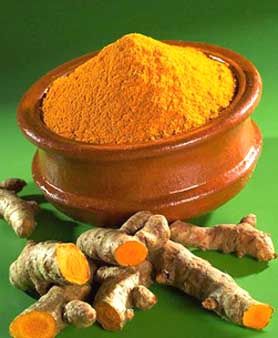
Turmeric's Powerful Life-Promoting Properties Put Pharmaceuticals to Shame


'Curcumin, the key chemical in turmeric, has been shown to possess very powerful health-promoting properties. Recent research has even found that curcumin can even prolong lives of fruit flies by 75 percent. While the research was done on insects, it highlights the life-promoting aspects of this powerful substance - along with mountains of other scientific research. The findings also shed light on how curcumin can slow the development of Alzheimer's and dementia. This research provides a potential explanation of why rates of dementia are less common among the elderly in India, where turmeric is widely used in the production of spices.' 

Read more...
>>>READ MORE

Aluminum + Fluoride = Alzheimer’s and Dementia


'Research shows that fluoridation does not reduce cavities but quite possibly increases them, yet we fluoridate our water, then spray aluminum from the sky to pollute that water, the soil, and air. We unwittingly ingest this aluminum, take a nice cool drink of fluoridated water, and end up a few years down the road wondering where we misplaced our minds and health. 

This is a two-part mix that leads to a crippling disease. Our brains and nervous systems are under attack, and we end up paying dearly for the privilege of being poisoned to death. Insane? Yes. But very real. Whether you believe we are being subjected to an intentional depopulation agenda or simply hapless victims of reckless corporate greed, it’s happening! You can’t refute the facts. Aluminum + Fluoride = Alzheimer’s and Dementia. The combination is deadly. They know it, I know it, and now you know it.' 

Read more...
>>>READ MORE

Mystery Compound in Coffee Protects Against Alzheimer’s

 http://www.mikebrinker.org/blog/wp-content/uploads/2010/09/is-coffee-healthy.jpg 
'Researchers publishing in the Journal of Alzheimer’s Disease have discovered that a natural chemical compound found in combines with caffeine to create a protective shield against the development and progression of Alzheimer’s disease.  

Blood levels of a protective protein complex known as GCSF, short for granulocyte-colony stimulating factor, are stimulated by coffee consumption and are shown to thwart disease progress. Health-conscious individuals will want to consider drinking several cups of java each day to dramatically lower the risk of developing Alzheimer’s disease and preserve precious memories that can be stolen as the disease progresses.'

Read more...
>>>READ MORE

VITAMIN C CURBS DEMENTIA


http://www.sophisticatededge.com/assets/images/Health/Vitamins%20and%20Minerals/How-much-vitamin-c-orange-juice.jpg


'Scientists have found that vitamin C can help
reverse the build-up of toxic proteins which form into harmful plaques
in the brains of sufferers.


Researchers
at Lund University in Sweden hope their discovery can be used to slow
the progress of the disease in those who already have it.'


Read more...


>>>READ MORE

Three Herbs That Help Fight Alzheimer's.

http://www.flowerdelivery.net/home_page_files/iStock_000004787386XSmall.jpg

'Alzheimer's disease, the most prominent form of dementia, is a progressive illness for which there is no cure; but there are plenty of options for preventing it and for reducing symptoms. This story is about three herbal cures in particular that lead the pack in alternative medicine: ginkgo; huperzine A; and turmeric.'

Read more ...
>>>READ MORE

A Natural Alzheimer’s Preventer Revealed

 http://www.puritan.com/vf/healthnotes/hn_live/Herb/Milk_Thistle.jpg


'Milk thistle has been traditionally used for hundreds of years as an herbal remedy to treat liver and gall bladder problems. Scientists believe that substances in milk thistle (especially a flavonoid called “silymarin”) protect the liver from toxins. Silymarin has antioxidant and anti-inflammatory properties, and it may help the liver repair itself by growing new cells. 

Now, researchers at the Tokyo Metropolitan Institute of Gerontology in Tokyo, Japan, think milk thistle may be useful in the treatment of Alzheimer’s disease. Alzheimer’s is characterized by progressive cognitive impairment and the formation of plaques in the brain.' 


Read more...
>>>READ MORE

Walking Just 1 Mile a Day Helps Save Your Memory

http://www.sciencedaily.com/images/2007/07/070711134426-large.jpg


 'Walking an average of just one mile a day appears to protect against brain shrinkage in old age, which in turn helps stem the onset of memory problems and cognitive decline, new research reveals.
"We have always been in search of the drug or the magic pill to help treat brain disorders," noted Kirk I. Erickson, an assistant professor of psychology at the University of Pittsburgh and the study's lead author.

"But really what we are after may be, at least partially, even simpler than that. Just by walking regularly, and so maintaining a little bit of moderate physical activity, you can reduce your likelihood of developing Alzheimer's disease and [can] spare brain tissue."
A report on the research, which was supported by the U.S. National Institute on Aging, is published online Oct. 13 in Neurology.'


Read more...
>>>READ MORE

9 Steps to Reverse Dementia and Memory Loss As You Age


by Dr. Mark Hyman


Dementia on the Rise

'Dementia is a big problem and growing every day. Ten percent of 65-year olds, 25 percent of 75-year olds, and 50 percent of 85-year olds will get Alzheimer's disease -- at a cost of $60 billion a year to society. Worse, the number of people with Alzheimer's is predicted to triple in the next few decades. It is now the seventh leading cause of death.

I believe this preventable, that we can slow this trend and even reverse it. In a moment, I will tell you how. But first I want to explain why just naming a disease -- whether it is dementia or anything else -- is becoming increasingly unhelpful (unless you just want to match the drug to the disease which is the only thing doctors are trained to do).

We have to think about individuals, not diseases. In medicine, our genetic differences are more important than our similarities.'


Read more...


>>>READ MORE

Failed Alzheimer's Drug Reveals Pharmaceutical Shell Game

Big Pharma is Not Interested in Helping People!

'Given a worst-case scenario, the principals of Medivation have made themselves rich, even if they never produce a single product. If they do, then they'll become fabulously rich—even if their products produce only marginal benefits or do significant harm. Their positions within the corporation insulate them from most risk—a significantly different position from those who take their products in the hope of gaining some marginal benefit.

Think about it: The excitement over Dimebon relates to an improvement of 1.3 points over other drugs on a scale of 0-70 in the Alzheimer's Disease Assessment Scale, cognitive section—and there's no indication of arresting the disease.

For, at best, minimal benefit to patients, a small number of people who know how to play the system are, at a minimum, raking in millions on the hope of achieving that small gain. If they hit the jackpot, they stand to see profits in the tens or hundreds of millions of dollars.

Quite a scam, isn't it?'


Read more...


>>>READ MORE

Feed Your Head! Maintaining Brain Size and Function As We Age.

By: Dr. William Wong, ND, PhD.


'Look at an MRI of an Alzheimers patient’s brain and what will you see? You'll see a shrunken mass looking something like an over-cooked baked potato; dry looking with fissures and cracks, not at all like the image of the big juicy brain we know with it's swirls and convolutions. What happened? How did it get that way? Is there any way to avoid or even reverse some of the damage?


'Alzheimers in a way is an accelerated and more serious form of the brain degeneration we'll all be subject to as we age. Let me explain the physiological process. From 27 onward our bodies begin the aging process. In this process, various things happen to slowly limit the function of our internal organs not the least of which is that the organs themselves, including the brain, begin to be laced through with scar tissue (fibrosis) and shrink.


'From 40-45 onward our brains not only shrink due to fibrosis but hormone changes (i.e. a drop in testosterone) also decrease the size of a portion of the brain known as the medical amygdala. Cells in the substancia negra of the brain which controls our brains connection to the body, begin to die off and with it the production of dopamine, the chemical needed for the brain body connection, begins to wane.


'If these cells die off too quickly or at too young an age that produces Parkinson's disease. If they die off slowly, as is normal, we gradually become weaker and less precise in our movements over time and our libido is lacking or gone altogether. Soy foods have been found to increase the brain shrinkage. (See our article Soy The Poison Seed for references).'


Read more...


>>>READ MORE

Creative Aging


by Deepak Chopra

Psychologists who study creativity say that artists and writers often can produce more new ideas in their sixties or seventies than in their twenties. One interesting variable is that the later you take up any creative pursuit, the more likely you are to pursue it into old age.

Creative experience may enhance the structure of the brain itself. Chinese studies of old people in Shanghai indicate that less educated people have higher rates of dementia and Alzheimer’s disease; the implication is that educated people, having been trained to use their minds, stimulate healthy brain activity.

PET scans show increased blood flow to the brain during periods of creative thought; a distinctive EEG of coherent rhythms across all bands of brainwave activity is associated with the “Aha!” or “Eureka!” experience that characterizes art and creativity in general.

Also, it’s a myth to think that it harms the brain to get too wrapped up in mental work. As long as it is enjoyable, concentrated mental activity gives rise to alpha-wave patterns typical of “restful alertness,” the relaxed but aware state also found in meditation.

Certain desirable neurotransmitters such as serotonin also increase during pleasurable creative activities. The neurological picture is still debatable, but the real-life results – more years of fulfilling existence–are not.

It would appear, then, that to want as much life, creativity, and wisdom as possible is very desirable. If your expectations in these areas are low, you are not likely to exceed them, while setting very high standards makes every decade worth looking forward to.

Beyond any body of evidence about aging and how to prevent it, the single most important factor is that you make something creative from your existence.

Adapted from Ageless Body, Timeless Mind, by Deepak Chopra (Three Rivers Press, 1998).

Source:Care2


>>>READ MORE